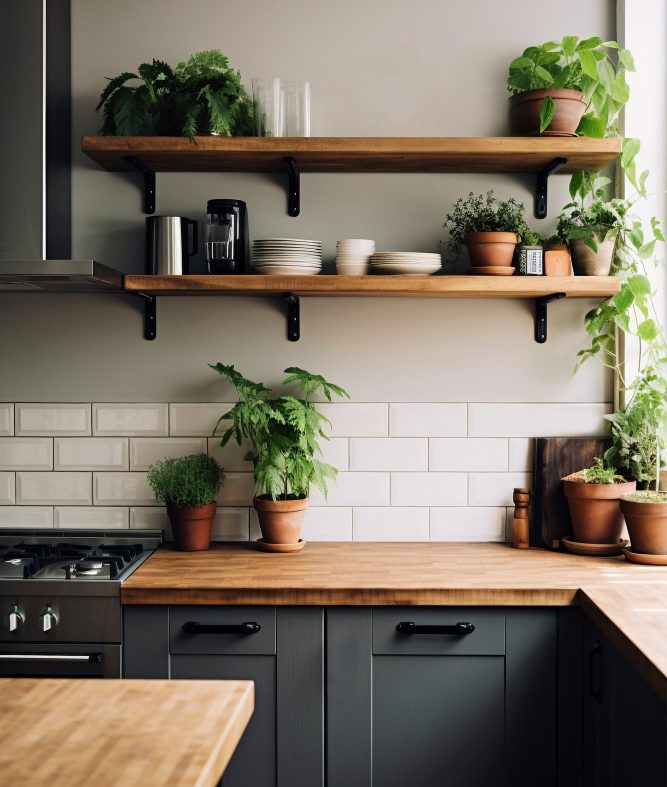
The kitchen is often called the heart of the home, and for good reason. It’s where we prepare our meals, gather with family, share conversations, and nourish ourselves.
But it’s also where many of our daily chemical exposures occur—from food packaging and plastic containers to cleaning products, cookware, and even the ingredients we choose.
Creating a healthier kitchen doesn’t mean throwing everything away and starting again.
In fact, the best approach is to make gradual changes as items wear out or need replacing.
Every simple swap helps reduce unnecessary chemical exposure, supports better health, and often benefits the environment too.
Here are some practical changes that can help transform your kitchen into a cleaner, healthier space.
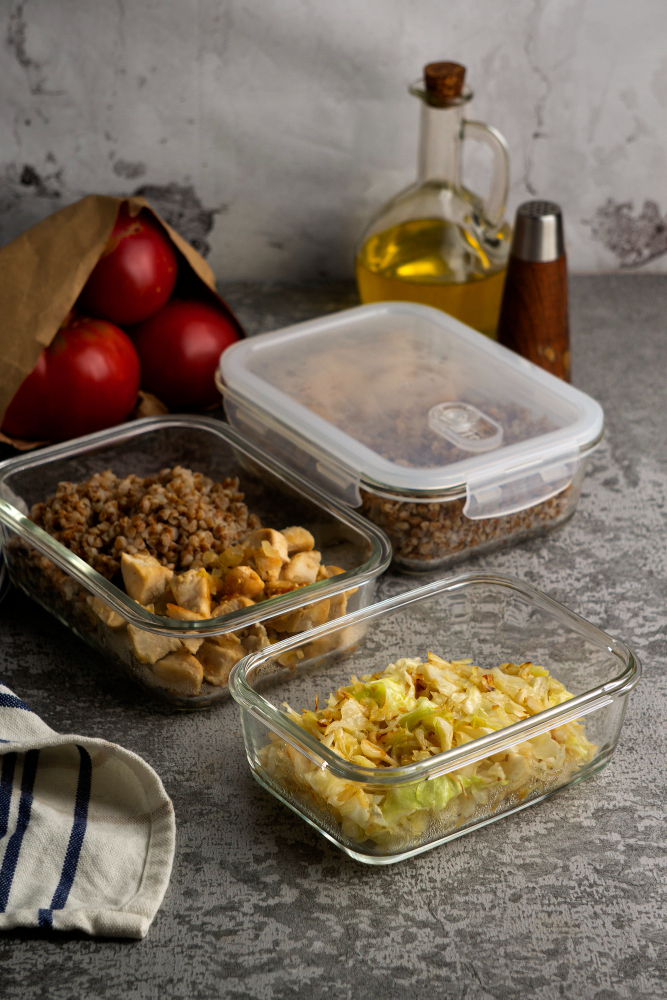
1. Replace Plastic Food Storage Containers with Glass: Plastic containers are lightweight and convenient, but some can release chemicals into food over time, particularly when exposed to heat. Glass containers are durable, easy to clean, don’t absorb food odours, and can often go straight from the fridge to the oven.
2. Don’t Microwave Food in Plastic or stirofoam: Even if a plastic container is labelled microwave-safe, many people prefer to transfer food to glass or ceramic before heating. This simple habit reduces unnecessary contact between hot food and plastic.
3. Store Pantry Foods in Glass Jars: Glass jars help keep dry foods fresh while reducing reliance on plastic packaging. They’re also a simple way to organise your pantry and quickly see what needs replenishing.
4. Reduce Single-Use Plastics: Keep reusable shopping bags, produce bags, coffee cups, drink bottles, and lunch containers ready to go. These small habits quickly become second nature and reduce waste over time.
5. Choose Better Packaging: Whenever possible, buy products packaged in:
Choosing larger refill sizes can also reduce packaging waste over time.
6. Swap Non-Stick Cookware for Stainless Steel or Cast Iron: Older or damaged non-stick coatings can degrade over time. Stainless steel, cast iron, and high-quality enamel cookware are long-lasting alternatives that, when used correctly, provide excellent cooking performance.
Well-seasoned cast iron also develops a naturally non-stick surface and can last for generations.
7. Choose Wooden or Stainless Steel Cooking Utensils: Plastic utensils can wear down with repeated use, especially at high temperatures. Wooden spoons, bamboo utensils, and stainless steel tools are durable, attractive, and free from melting concerns.
8. Read Ingredient Labels: Many packaged foods contain long lists of additives that most of us wouldn’t recognise. While not all additives are harmful, choosing foods with simple, recognisable ingredients often means eating more wholesome, minimally processed meals.
9. Cook More Meals from Scratch: Preparing meals at home gives you complete control over the ingredients you use. Simple homemade soups, casseroles, stir-fries, and salads often contain far less sodium, sugar, and additives than ready-made alternatives.


10. Buy Fresh Food More Often: Fresh produce typically contains fewer preservatives than heavily processed foods and encourages healthier eating habits. Shopping more frequently at local greengrocers or farmers’ markets can also reduce food waste.
11. Support Local Farmers: Buying directly from local growers helps strengthen New Zealand’s food system while often providing fresher seasonal produce. Many small farms also use lower-input or regenerative growing methods, even if they are not formally certified organic.
12. Choose Organic or Spray-Free Produce When Practical: Organic food isn’t essential for every purchase, but choosing organic or spray-free options where practical can reduce exposure to certain pesticide residues. If your budget is limited, simply prioritise the produce your family eats most often.
13. Grow Fresh Herbs: Even a sunny windowsill can support herbs such as parsley, basil, coriander, thyme, mint, and chives. Fresh herbs add flavour and nutrients while reducing the need for packaged alternatives.
14. Filter Your Drinking Water: If your local water supply has a noticeable taste or odour, or if you rely on rainwater, a suitable water filtration system may improve taste and remove certain contaminants. The best option depends on your local water source and household needs.
15. Replace Refined Oils with Healthier Options: Choose cooking oils that suit the cooking method:
Using a variety of fats rather than relying on a single oil can provide a broader range of nutrients.
16. Compost Your Food Scraps: Food waste makes up a significant portion of household rubbish. Composting fruit and vegetable scraps creates valuable nutrients for your garden while reducing methane emissions from landfill.
Even households without gardens can often access community composting programmes or council food scrap collections.
17. Keep Indoor Air Fresh: Cooking can release moisture, grease particles, and smoke into your home. Use rangehoods where available, ventilate regularly, and clean extractor filters to improve indoor air quality.
18. Replace Artificial Air Fresheners: Rather than masking cooking smells with synthetic fragrances, open a window, use an extractor fan, or simmer citrus peels, cinnamon sticks, or fresh herbs on the stove for a naturally pleasant aroma.
19. Make Your Own Surface Cleaner: A simple homemade cleaner made with diluted white vinegar and water works well for many kitchen surfaces. For stone benchtops, use a bit of dishsoap instead, as vinegar can damage natural stone.Adding a few drops of lemon or orange essential oil can provide a fresh scent.


The choices we make in our kitchens ripple through every aspect of our lives. They influence our health, our family’s eating habits, our environmental footprint, and even the local farmers and businesses we support.
A Clean Kiwi kitchen doesn’t have to be expensive or perfect. It simply reflects a commitment to choosing fresh food more often, reducing unnecessary waste, using products wisely, and creating a home where health comes first.
Every reusable container, every home-cooked meal, every handful of compost, and every visit to a local farmers’ market is a small investment in a healthier future—for ourselves, our communities, and the beautiful country we call home.
The journey toward a cleaner, healthier lifestyle begins in the kitchen, one simple swap at a time.
In a world full of overwhelming advice and conflicting information, Clean Kiwi cuts through the noise – offering easy, practical, and inexpensive ways to reduce toxic exposure for cleaner, healthier living.
More and more chemical-based products are making their way into New Zealand homes, exposing us to some harmful toxins through our food, water supplies, personal care products, the cleaners under our sink, and more. It’s rarely one dramatic event that causes us harm. It’s the repeated, low-level exposure over time that disrupts hormones, weakens immunity, and can lead to unwanted symptoms or illnesses.
Clean Kiwi is the practical guide to changing that, protecting you and your family.
Grounded in well-researched facts, it offers simple, affordable alternatives that genuinely reduce toxic load for improved quality of life.
Real facts. Small changes. A healthier home, without the guesswork.
Live cleaner, live better, longer.