Most people think carefully about the food they eat and the products they put on their skin, yet few consider what their clothing may contain. Modern textiles are often treated with a wide range of chemicals designed to improve appearance, durability, stain resistance, wrinkle resistance, water repellency, and colourfastness.
Although research into chemical exposure from wearing clothing is still limited, we do know that many of the substances used during textile manufacturing are hazardous and that the skin—the body’s largest organ—is capable of absorbing certain chemicals. For this reason, many health-conscious consumers are choosing to reduce unnecessary exposure wherever practical.


During manufacturing, fabrics may be treated with thousands of different chemicals before they reach the shop. These treatments can remain in the finished garment and may be released through skin contact, off-gassing, or the shedding of microscopic fibres over time.
Heat, perspiration, and tight-fitting clothing may increase skin contact with textile finishes, while new clothing often emits noticeable chemical odours from volatile organic compounds (VOCs). Textile fibres can also become airborne through normal wear and laundering, contributing to indoor dust that may be inhaled or ingested, particularly by young children and pets.
While scientists continue to study the extent of these exposures, reducing unnecessary contact with potentially harmful chemicals is a sensible precaution.
More than 2,000 chemicals are used throughout the textile industry. Some of the most common include:
Other chemicals commonly used during textile manufacturing include flame retardants, antimicrobial treatments, optical brighteners, solvent residues, and pesticide residues from conventionally grown cotton.


Natural fibres such as cotton, wool, linen, hemp, and silk are generally preferable to fully synthetic fabrics, but fibre type is only part of the picture.
Conventionally grown cotton is one of the world’s most chemically intensive crops, and the manufacturing process can involve bleaching, dyeing, finishing agents, and other chemical treatments. Choosing certified organic textiles helps reduce both agricultural chemicals and many of the processing chemicals used during manufacturing.
You don’t need to replace your entire wardrobe overnight. Small changes can significantly reduce your overall exposure over time.
Some practical steps include:


The textile industry has transformed dramatically over the past century, with synthetic fibres and chemical treatments becoming standard throughout the manufacturing process. While these innovations have made clothing cheaper and more durable, they have also introduced thousands of chemicals into products we wear every day.
Research into long-term exposure from clothing continues to evolve, but choosing certified textiles, favouring natural fibres, and reducing unnecessary chemical exposure are practical steps that can support both personal health and environmental wellbeing.
Every purchase sends a message. By choosing safer, better-quality clothing whenever possible, consumers can help encourage greater transparency and cleaner manufacturing practices throughout the textile industry.
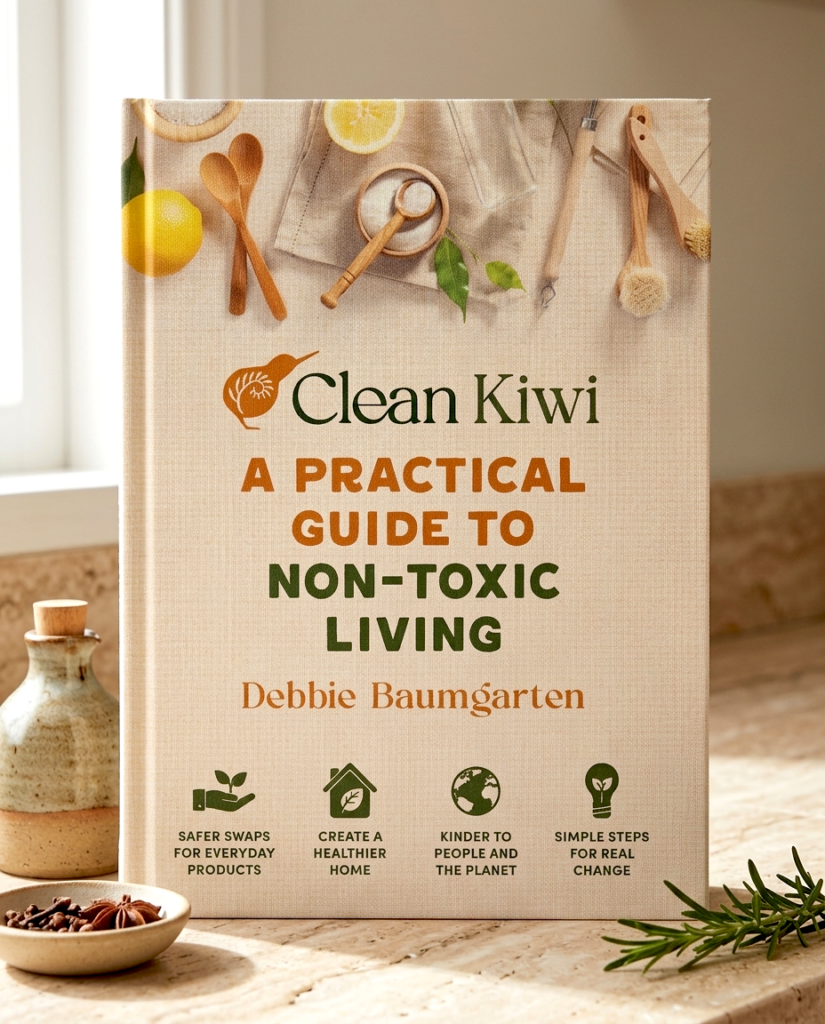
In a world full of overwhelming advice and conflicting information, Clean Kiwi cuts through the noise – offering easy, practical, and inexpensive ways to reduce toxic exposure for cleaner, healthier living.
More and more chemical-based products are making their way into New Zealand homes, exposing us to some harmful toxins through our food, water supplies, personal care products, the cleaners under our sink, and more. It’s rarely one dramatic event that causes us harm. It’s the repeated, low-level exposure over time that disrupts hormones, weakens immunity, and can lead to unwanted symptoms or illnesses.
Clean Kiwi is the practical guide to changing that, protecting you and your family.
Grounded in well-researched facts, it offers simple, affordable alternatives that genuinely reduce toxic load for improved quality of life.
Real facts. Small changes. A healthier home, without the guesswork.
Live cleaner, live better, longer.