Water is essential to every aspect of life. We drink it, cook with it, shower in it, and rely on it every day. While New Zealand is renowned for its beautiful rivers and pristine landscapes, the reality is that not all of our water sources are as clean as many people believe.
Water quality varies significantly across the country. Streams flowing through native forests are generally in excellent condition, while waterways in intensive farming and urban areas often contain higher levels of nutrients, sediment, bacteria, pesticides, and other contaminants. These pollutants can damage freshwater ecosystems and eventually affect lakes, estuaries, and coastal waters.

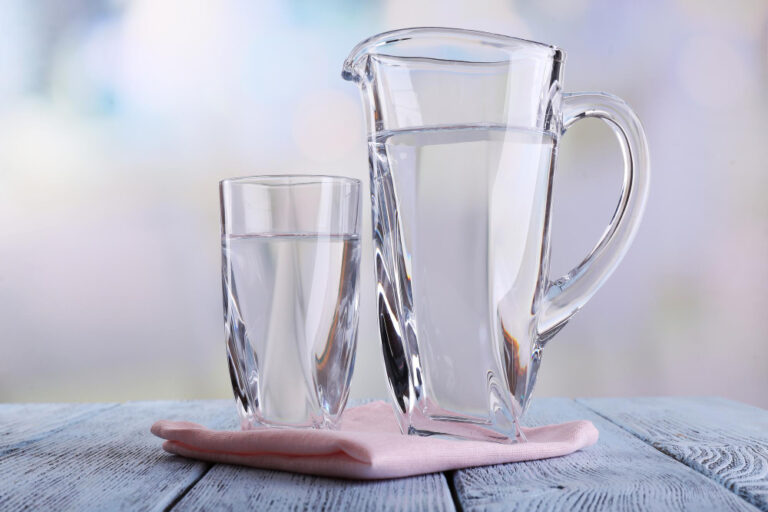
Municipal drinking water is also treated with disinfectants to make it safe to drink, and many communities add fluoride to reduce tooth decay. While supporters cite dental health benefits, fluoridation remains the subject of ongoing scientific and public debate, with some researchers raising concerns about potential health effects and many developed countries choosing not to fluoridate their water supplies.
Municipal drinking water is also treated with disinfectants to make it safe to drink, and many communities add fluoride to reduce tooth decay. While supporters cite dental health benefits, fluoridation remains the subject of ongoing scientific and public debate, with some researchers raising concerns about potential health effects and many developed countries choosing not to fluoridate their water supplies.
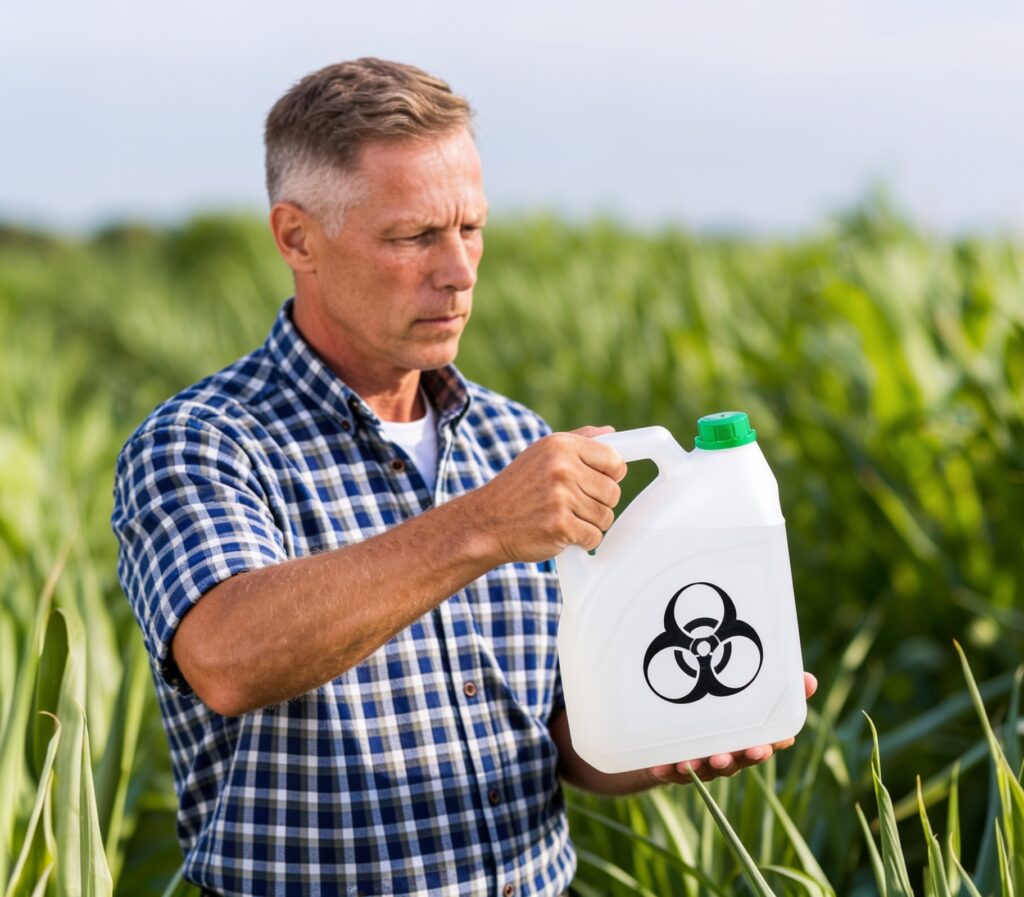
Herbicides and Pesticides: One herbicide that has attracted global attention is Roundup®. Its active ingredient, glyphosate, has been the subject of extensive litigation in the United States, resulting in billions of dollars in settlements related to long-term exposure contributing to certain cancers. Although regulatory agencies around the world differ in their assessments of glyphosate’s safety, we strongly recommend to minimise exposure and avoid pesticide use around the home and garden.
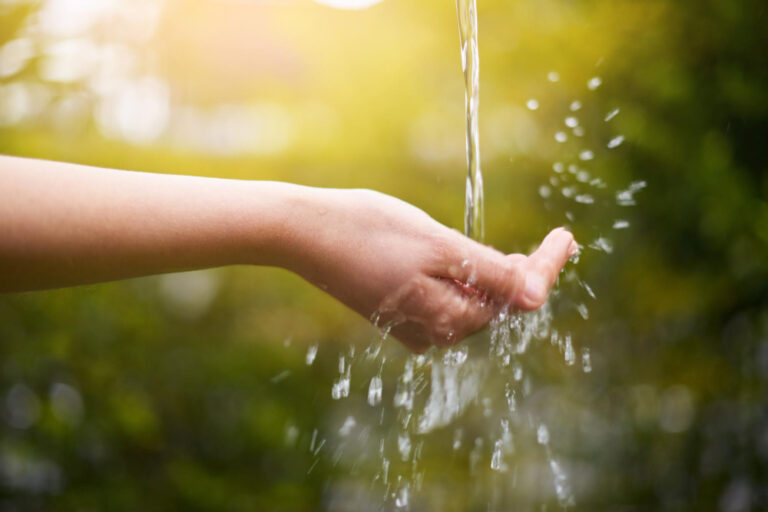
The good news is that there are practical steps you can take to reduce your exposure to potential contaminants. Installing a high-quality water filtration system, avoiding unnecessary chemical use around your property, supporting sustainable farming practices, and staying informed about your local water quality can all help protect both your family’s health and New Zealand’s precious waterways.
Clean water is one of our most valuable natural resources. By making informed choices and reducing pollution at its source, we can help preserve it for future generations.
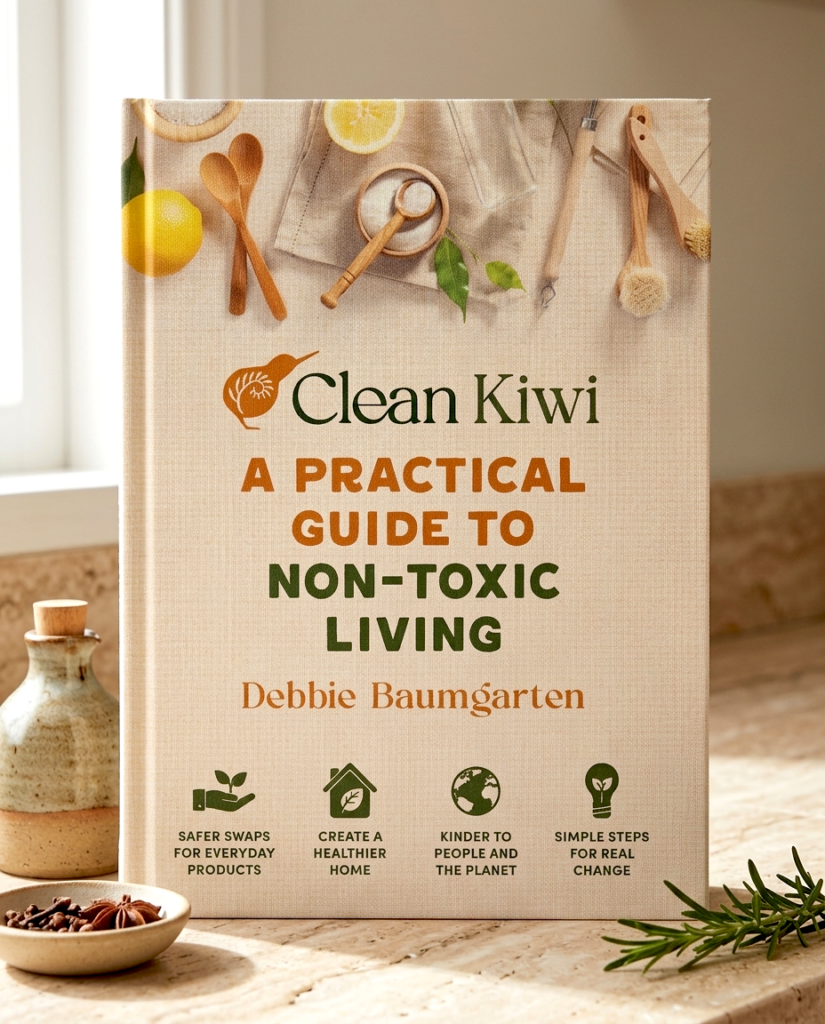
In a world full of overwhelming advice and conflicting information, Clean Kiwi cuts through the noise – offering easy, practical, and inexpensive ways to reduce toxic exposure for cleaner, healthier living.
More and more chemical-based products are making their way into New Zealand homes, exposing us to some harmful toxins through our food, water supplies, personal care products, the cleaners under our sink, and more. It’s rarely one dramatic event that causes us harm. It’s the repeated, low-level exposure over time that disrupts hormones, weakens immunity, and can lead to unwanted symptoms or illnesses.
Clean Kiwi is the practical guide to changing that, protecting you and your family.
Grounded in well-researched facts, it offers simple, affordable alternatives that genuinely reduce toxic load for improved quality of life.
Real facts. Small changes. A healthier home, without the guesswork.
Live cleaner, live better, longer.